

Experience the Joy of Flow and Bloom with Therapeutic Yoga Practices
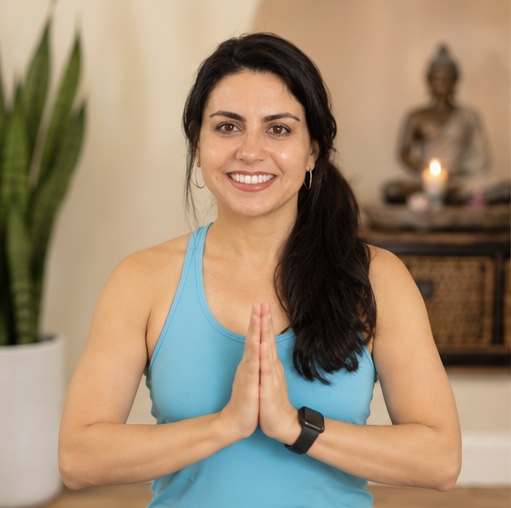
Finding moments of peace and balance in our busy lives can sometimes feel like a distant dream. Yet, there’s a gentle path that invites us to reconnect with ourselves, to move with intention, and to nurture our well-being. Therapeutic yoga practices offer just that - a warm, inclusive way to embrace change, especially during the transitions of perimenopause, menopause, and beyond. Together, let’s explore how these practices can help you experience the joy of flow and bloom in your body, mind, and spirit.
Embracing Therapeutic Yoga Practices for Your Well-Being
Therapeutic yoga is more than just exercise. It’s a mindful approach designed to support healing, reduce stress, and improve overall health. For women navigating the unique challenges of midlife and seniors seeking gentle movement, these practices can be transformative.
You might wonder, what makes therapeutic yoga different? It focuses on:
Gentle, accessible movements tailored to your body’s needs
Breath awareness to calm the nervous system
Mindful relaxation techniques to ease tension and promote restful sleep
Adaptations for specific health concerns, such as joint pain or hormonal changes
By tuning into your body’s signals and moving with kindness, you create space for healing and growth. This approach encourages you to honor where you are today, without pressure or judgment.

How Therapeutic Yoga Supports Women in Midlife and Seniors
During perimenopause and menopause, your body undergoes significant hormonal shifts that can affect mood, sleep, and energy levels. Therapeutic yoga offers tools to ease these changes gently. For example:
Breathwork can help manage hot flashes and anxiety by activating the parasympathetic nervous system.
Restorative poses encourage deep relaxation, which supports better sleep and reduces stress.
Strengthening and stretching improve joint mobility and reduce stiffness, common concerns as we age.
For seniors, therapeutic yoga can enhance balance, flexibility, and circulation, helping to maintain independence and vitality. The slow, mindful pace allows you to build confidence and listen deeply to your body’s needs.
Here’s a simple practice you can try at home:
Find a comfortable seated position.
Close your eyes and take 5 slow, deep breaths, feeling your belly rise and fall.
Gently stretch your arms overhead on an inhale, and lower them on an exhale. Repeat 5 times.
Move into a seated twist by placing your right hand on your left knee and looking over your left shoulder. Hold for 3 breaths, then switch sides.
This small sequence can help you feel grounded and refreshed anytime you need a moment of calm.
Creating a Supportive Environment for Your Practice
One of the most beautiful aspects of therapeutic yoga is the community it fosters. Practicing in a welcoming space where you feel seen and supported can make all the difference. Whether you join a local studio or create a cozy corner at home, consider these tips to enhance your experience:
Choose a quiet, clutter-free space where you can focus without distractions.
Use props like cushions, blankets, or blocks to make poses more comfortable and accessible.
Set an intention before each session, such as “I am nurturing my body” or “I welcome calm and ease.”
Wear comfortable clothing that allows freedom of movement.
Remember, your practice is your own journey. There’s no need to compare or push yourself too hard. The goal is to cultivate kindness and patience with yourself.

Practical Tips to Integrate Therapeutic Yoga into Your Daily Life
Incorporating therapeutic yoga into your routine doesn’t have to be complicated. Small, consistent steps can lead to meaningful change. Here are some ideas to help you get started:
Set aside 10-15 minutes each day for gentle movement and breathwork.
Listen to guided therapeutic yoga videos designed for beginners or specific needs like menopause support.
Practice mindful breathing during stressful moments to regain calm and clarity.
Join a local class or online community to stay motivated and connected.
Keep a journal to note how your body and mind respond to your practice over time.
By weaving these practices into your daily life, you create a foundation of resilience and well-being that supports you through life’s transitions.
Nurturing Your Journey with Flow and Bloom
As you explore therapeutic yoga, you may find yourself naturally drawn to a rhythm of movement and stillness that feels deeply nourishing. This is the essence of flow and bloom - a beautiful balance of energy and rest, growth and acceptance.
Allow yourself the grace to move at your own pace. Celebrate the small victories, like a deeper breath or a moment of stillness. And know that every step you take on this path is a gift to your body and soul.
If you’re ready to deepen your practice, consider seeking out specialized classes or workshops that focus on therapeutic yoga for women in midlife and seniors. These spaces often provide expert guidance and a compassionate community that can uplift and inspire you.
Embracing therapeutic yoga practices is a gentle invitation to care for yourself with warmth and intention. Whether you’re just beginning or returning to your mat, may you find joy, peace, and strength in every breath and movement. Your journey to flow and bloom is uniquely yours - and it’s waiting to unfold beautifully.


Comments